
If you’re dealing with a renovation, new construction, or site planning in Raleigh, there’s a good chance someone has told you, “We need laser scanning for this.”
And if you’re wondering what that actually means or whether it’s worth it, you’re not alone.
A lot of people in Raleigh, North Carolina, are hearing about laser scanning for the first time when timelines are already tight. Drawings don’t match the site. Old plans are missing details. Or a contractor needs exact measurements before work can move forward.
That’s where laser scanning helps.
At Meta Geomatics PLLC, we provide high-precision Laser Scanning Services across Raleigh and nearby areas. The goal is simple. Capture the real world as it is, with millimeter-level detail, so you can plan and build without guessing.
We’ll break everything down in plain language so you know exactly what you’re getting and how it helps your project.
What Is Laser Scanning (In Simple Terms)?
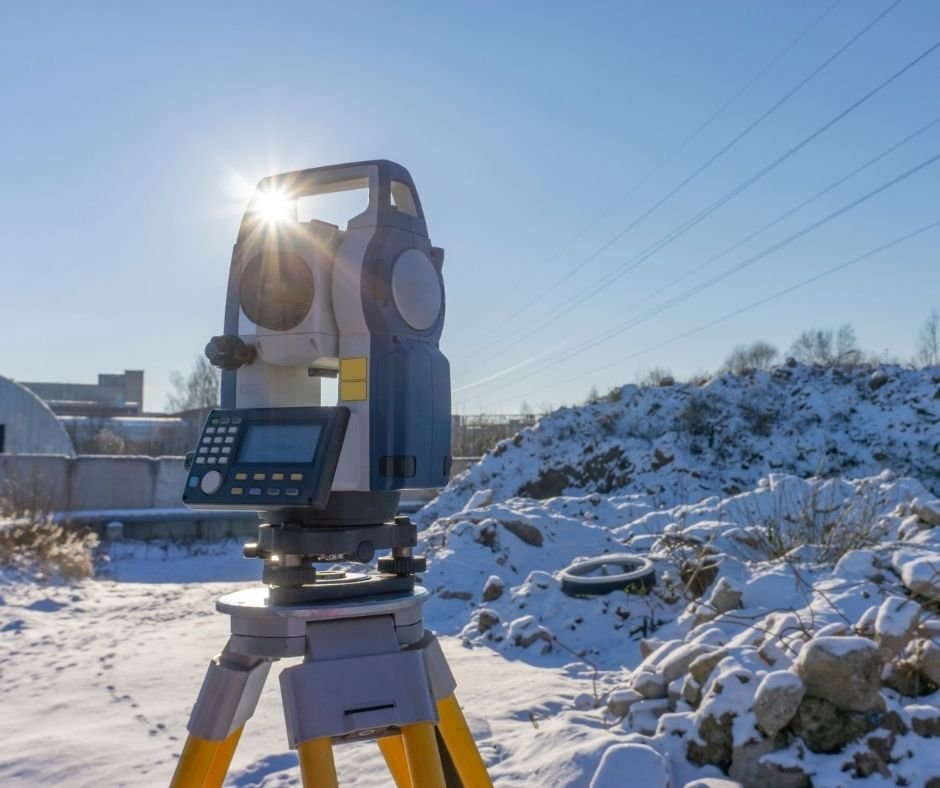
Laser scanning is a way to capture a physical space using light.
A scanner sends out thousands to millions of laser points per second. These points measure distances and create a digital copy of the space. That digital copy is called a point cloud.
Think of it like taking a 3D snapshot of a building, site, or structure. Except instead of a photo, you get precise measurements of everything.
This includes walls, floors, beams, pipes, terrain, and even small structural details.
We typically use advanced systems like:
- Leica RTC360 3D Laser Scanner
- FARO Focus S350 Laser Scanner
- LiDAR (Light Detection and Ranging) Technology
- Terrestrial Laser Scanning (TLS)
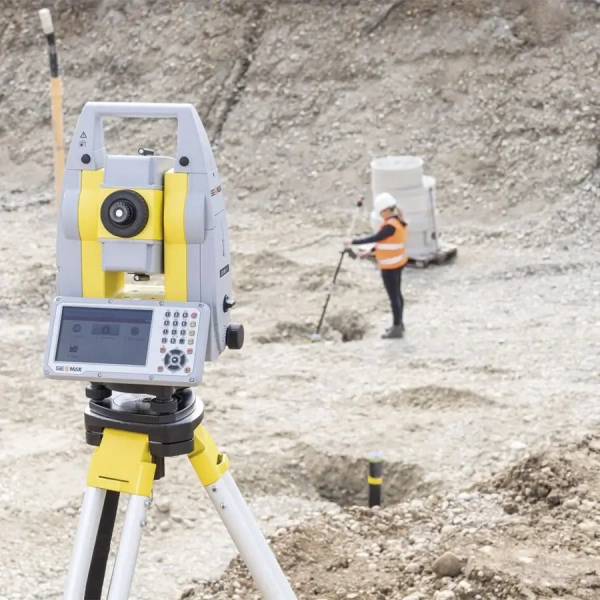
These tools allow us to capture complex environments quickly and accurately, even in tight or active job sites.
Why Laser Scanning Matters in Raleigh, NC
Raleigh is growing fast. Between Downtown Raleigh, North Hills, Cary, Apex, and Research Triangle Park, construction and redevelopment are everywhere.
That growth creates one big problem:
Old drawings don’t always match real conditions.
Here’s what we see often:
- Buildings renovated multiple times with missing records
- Contractors working with outdated CAD files
- Engineers discovering unexpected site conditions
- Delays caused by measurement mistakes
Laser scanning solves this by giving you a real-world digital baseline before design or construction begins.
This is especially important for:
- Commercial renovations in Downtown Raleigh
- Tech campus expansions in RTP
- Residential rebuilds in Cary and Apex
- Infrastructure upgrades in Wake Forest and Garner
When you know exactly what exists on site, decisions get easier and mistakes drop.
What We Actually Do (Full Service Breakdown)
We don’t just “scan and leave.” The real value comes from turning raw data into usable project information.
3D Laser Scanning & Reality Capture
We collect full-site data using structured scan points and field workflows called:
- 3D Laser Scanning
- Reality Capture Solutions
This creates a complete digital version of your site.
LiDAR Surveying & Spatial Data Collection
We combine scanning with:
- GPS/GNSS control networks
- Control point validation
- Site positioning checks
This ensures everything aligns correctly in real coordinates.
As-Built Documentation
We convert scan data into usable drawings:
- As-Built Documentation
- CAD floor plans
- Structural layouts
- Existing condition drawings
This is often what architects and engineers need before design starts.
BIM Integration
We support:
- BIM (Building Information Modeling) Integration
- Scan-to-BIM workflows
- 3D model creation
This helps teams design inside an accurate digital model instead of guesswork.
Topographic & Structural Support
We also support:
- Topographic Surveying
- Structural Mapping
- Elevation modeling
- Site grading support
Construction Layout & Verification
Before and during construction:
- Construction Layout Services
- Verification against design models
- Tolerance checks
This helps avoid expensive rework.
How the Laser Scanning Process Works
People often think scanning is complicated. The field part is actually pretty straightforward.
Here’s how it usually goes:
Step 1: Site Walk and Planning
We look at the site and decide scan positions.
We also identify:
- Obstructions
- Access limitations
- Safety concerns
Step 2: Site Data Acquisition
We set up scanners and capture the space.
This includes:
- Multiple scan positions
- Interior and exterior coverage
- Overlapping data for accuracy
Step 3: Point Cloud Processing
Back in the office, we process everything into:
- Point Cloud Data
- Cleaned datasets
- Registered scan models
Step 4: Modeling and Drafting
We convert data into:
- CAD Drafting
- 3D Mesh Models
- BIM-ready files
Step 5: Final Deliverables
You receive usable files such as:
- CAD drawings
- 3D models
- Revit/BIM files
- Measurement reports
Everything is ready for design or construction.
Equipment and Technology We Use
Accuracy matters in surveying. Small errors become big problems later.
That’s why we rely on:
- Leica RTC360 3D Laser Scanner
- FARO Focus S350 Laser Scanner
- GPS/GNSS Survey Systems
- Drone Photogrammetry Systems
We also use:
- Georeferencing & Coordinate Systems
- Spatial Data Analysis
This ensures every measurement fits real-world coordinates and project standards.
What You Actually Get (Deliverables That Matter)
A lot of companies talk about scanning. Fewer explain what you receive.
Here’s what you typically get:
- Clean point cloud files
- 2D CAD drawings
- 3D BIM models
- Floor plans and elevations
- Structural measurement data
- As-built verification sets
These outputs support:
- Architects
- Engineers
- Contractors
- Developers
- Facility managers
Where We Work in Raleigh and Nearby Areas
We provide laser scanning across:
- Downtown Raleigh
- North Hills
- Brier Creek
- Cary
- Apex
- Wake Forest
- Garner
- Research Triangle Park (RTP)
- Morrisville
- Knightdale
Each area has different project types. Downtown is often renovations. RTP is usually large commercial or tech facilities. Suburbs lean more toward residential and mixed-use development.
Where Competitors Often Fall Short (And What We Do Differently)
Most laser scanning pages sound the same. Fast service, high accuracy, modern tech.
But here’s what’s often missing:
No Clear Explanation of Deliverables
Many companies don’t clearly explain what clients actually receive. That creates confusion later.
We spell it out upfront. You know exactly what files and formats you will get.
Weak Connection Between Scan and Design
Some providers stop at “point cloud delivery.”
We don’t. We help bridge the gap between raw data and usable CAD or BIM output.
Limited Local Context
Raleigh projects are not all the same.
A warehouse in RTP is very different from a historic building in Downtown Raleigh. We adjust workflows based on site conditions.
No Discussion of Accuracy Standards
Accuracy is often mentioned but not explained.
We focus on millimeter-level precision backed by calibration and quality checks.
Lack of Field Transparency
Clients often don’t know what happens on site.
We keep the process clear from setup to final data delivery.
Why Clients Choose Meta Geomatics PLLC
At Meta Geomatics PLLC, our focus is simple: accurate data and clear communication.
Here’s what supports that:
- Licensed Professional Land Surveyors (PLS)
- North Carolina surveying compliance standards
- Years of geospatial surveying experience
- Millimeter-level measurement capability
- Insurance coverage for field operations
- Strict calibration and QA workflows
- Deliverables compatible with CAD and BIM systems
- Strong client repeat work and project trust
- Alignment with NSPS guidelines
We’re not trying to overcomplicate the work. We’re trying to make sure your data is right the first time.
Common Use Cases for Laser Scanning in Raleigh
Laser scanning helps in real situations like:
- Renovating older commercial buildings
- Designing additions to existing structures
- Documenting industrial facilities in RTP
- Planning HVAC or MEP system upgrades
- Structural inspection and verification
- Pre-construction site validation
- Historical building documentation
- Infrastructure planning and utility mapping
If your project involves anything built or being built, scanning usually helps.
Final Thoughts
Laser scanning is not just about capturing data. It’s about removing uncertainty before decisions are made.
In a fast-growing area like Raleigh, that matters more than ever.
Whether you’re planning a renovation in Downtown Raleigh, a commercial build in RTP, or a residential project in Cary, having accurate site data early can save time, money, and frustration.
If you’re ready to get reliable site data for your next project, Meta Geomatics PLLC is here to help with clear, accurate, and usable laser scanning deliverables built for real-world construction and design work.
FAQs About Laser Scanning in Raleigh, NC
How accurate is laser scanning?
Laser scanning is highly accurate, often down to millimeter-level detail depending on site conditions and equipment setup. It is much more precise than traditional manual measurements.
How long does a laser scanning project take?
Most small to mid-size sites can be scanned in a day or two. Processing and deliverables usually take a few additional days depending on complexity.
Will scanning interrupt my site or business operations?
Minimal disruption. Scanning is non-contact, so we can often work around active job sites or occupied buildings.
What file formats will I receive?
You typically receive CAD files, BIM-ready models, and point cloud datasets. Formats depend on project needs and software requirements.
Do I need laser scanning for renovation projects?
You may receive point cloud files, 3D models, CAD drawings, or BIM-ready files depending on your project needs. Common formats include AutoCAD, Revit, and Civil 3D compatible outputs.
Can laser scanning replace traditional surveying?
Not completely. It complements traditional surveying methods. Control points and GNSS still play an important role in accuracy.
What is the biggest mistake people make before scanning?
Waiting too long. Many clients bring in scanning after design work starts, which can lead to redesigns. It’s better to scan first before planning moves forward.
Services Areas
Serving North Carolina, NC Wake County & the Greater Triangle
Raleigh Metro
- Angier
- Apex
- Carrboro
- Cary
- Chapel Hill
- Clayton
- Durham
- Fuquay-Varina
- Garner
- Hillsborough
- Holly Springs
- Knightdale
- Morrisville
- Pittsboro
- Raleigh
- Rolesville
- Wake Forest
- Wendell
- Zebulon
Charlotte Metro
- Belmont
- Charlotte
- Concord
- Cornelius
- Davidson
- Gastonia
- Harrisburg
- Huntersville
- Indian Trail
- Kannapolis
- Matthews
- Mint Hill
- Monroe
- Mount Holly
- Pineville
- Wesley Chapel
Can't find your area?
Give us a call at (919) 402-6742. We regularly take on projects throughout the Piedmont and Coastal regions of North Carolina for commercial clients with specific needs.
Reviews
Trusted by Homeowners, Contractors & Developers Across Wake County
Ready to Get Started?
Every successful property transaction and construction project starts with accurate information. Whether you need a simple boundary survey or comprehensive 3D reality capture, the Meta Geomatics team is ready to help.
Contact us today for a free, no-obligation quote:
Phone
Office Hours
Monday - Friday, 8:00 AM - 5:00 PM
Most quotes provided within 24 hours. Emergency and expedited services available.