
If you’ve ever dealt with missing measurements, rework on a job site, or drawings that don’t match reality, you already know the problem.
Plans look good on paper.
The site tells a different story.
That’s where modern Laser Scanning makes a real difference.
At Meta Geomatics PLLC, we capture real-world conditions in high detail so engineers, architects, and builders can work with confidence. Our laser scanning services in Kannapolis, NC help reduce guesswork and give you accurate data you can actually build from.
Let’s walk through how it works, when it matters, and why more projects in Kannapolis are using it today.
What Laser Scanning Actually Does (In Simple Terms)
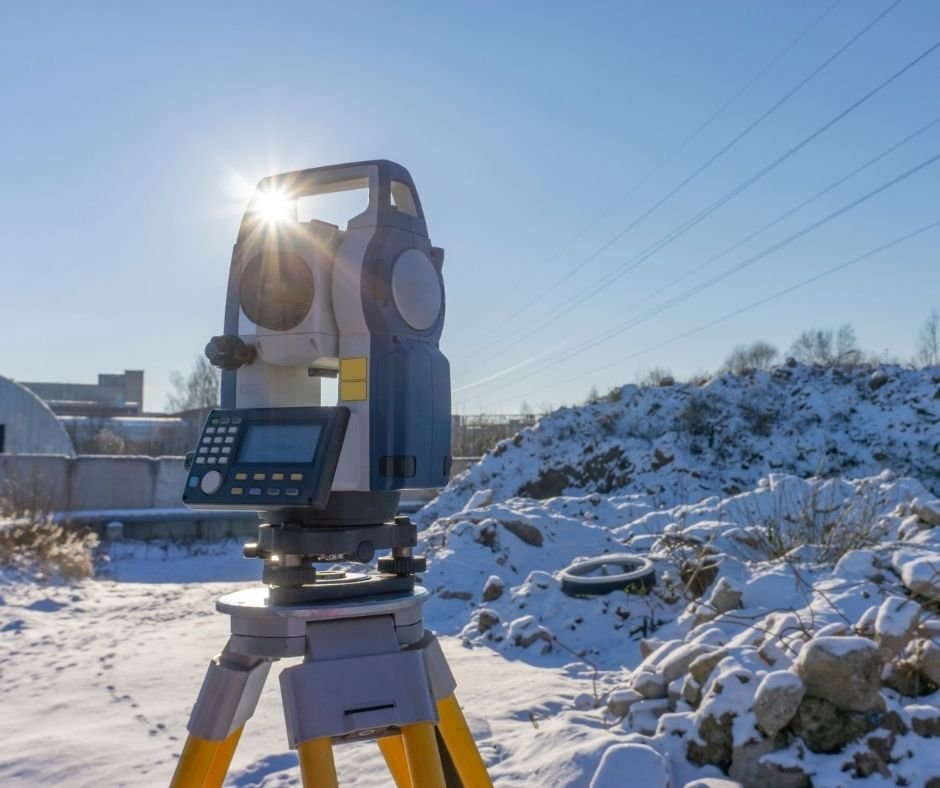
Laser scanning captures millions of measurement points in minutes. These points form a detailed 3D model of a structure or site.
This model is called a point cloud.
Instead of measuring things one by one with tapes or manual tools, we scan everything at once using advanced tools like:
- Leica BLK360
- Faro Focus S Laser Scanner
- Trimble X7
These devices capture geometry, surfaces, and spatial relationships with very high precision.
The result is a digital version of your site that reflects what is actually there, not just what was planned.
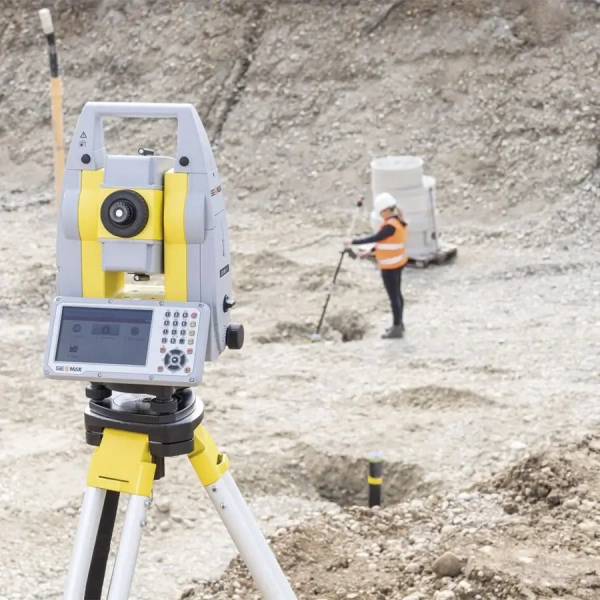
Why Laser Scanning Matters in Kannapolis Projects
Kannapolis is changing fast. Between redevelopment projects downtown and growing activity near the North Carolina Research Campus, construction and design work is moving quickly.
Areas like:
- Downtown Kannapolis redevelopment district
- Gem Theatre
- Village Park
- Baker’s Creek Park
- Research and biotech corridor near the North Carolina Research Campus
All involve renovation, expansion, or infrastructure updates where existing conditions matter a lot.
Here’s the thing.
Older drawings rarely match real site conditions anymore. Buildings shift. Renovations stack over time. Underground utilities change.
Laser scanning solves that gap.
Where Laser Scanning Is Used (Real Projects, Not Theory)
We see laser scanning used across many project types in Kannapolis and nearby areas.
Building Renovations and Additions
Old buildings rarely have reliable drawings. Scanning captures walls, floors, ceilings, and structural elements exactly as they exist.
Industrial and Commercial Sites
Plants, warehouses, and facilities need accurate layouts before adding equipment or making changes.
Construction Verification
Contractors use scans to confirm that what was built matches the design.
BIM and Design Work
Engineers and architects use scan data inside Building Information Modeling workflows.
As-Built Documentation
We produce accurate records of completed conditions for future reference or compliance.
This is where most competitors fall short. They talk about scanning, but they don’t always explain how the data actually gets used. We make sure the output connects directly to design and construction work.
How the Process Works (Step by Step)
People often think laser scanning is complicated. The fieldwork is actually the simple part.
Here’s how it usually goes:
Step 1: Site Review
We look at the project and identify scan positions. This depends on structure size, access, and required accuracy.
Step 2: Scanning the Site
Using LiDAR-based systems like LiDAR, we collect millions of data points from multiple setups.
Step 3: Scan Registration
Individual scans are aligned together using software. This is called scan registration and alignment.
Step 4: Point Cloud Processing
We clean and organize the data so it reflects real-world conditions without noise or overlap.
Step 5: Deliverables Creation
We provide outputs like:
- 3D point cloud files
- CAD drawings
- Mesh models
- BIM-ready data sets
- As-built drawings
These are ready for design or engineering use.
What Makes Our Laser Scanning Different
A lot of firms offer scanning now. The difference is in accuracy, processing, and final usability.
Here’s what matters most:
Real Survey Expertise Behind the Scans
Scanning equipment is only part of the work. Interpretation matters more.
At Meta Geomatics PLLC, every project is handled with professional land surveying judgment, not just software output.
Licensed and Regulated Work
We operate under standards set by the North Carolina Board of Examiners for Engineers and Surveyors.
Work is handled or reviewed by a Licensed Professional Land Surveyor (PLS Certification).
Quality Control That Actually Gets Done
We follow structured QA and QC checks. This helps avoid issues like:
- Misaligned scans
- Missing surfaces
- Scale errors
- Incomplete coverage
Experience That Comes From Field Work
Years of real surveying experience matter. Laser scanning still depends on knowing where to scan, how to position setups, and what details matter for construction use.
We are also aligned with industry best practices through organizations like the American Society for Photogrammetry and Remote Sensing.
Data You Actually Get (And How It Helps You)
Laser scanning is only useful if the output helps your project move forward.
Here’s what clients usually use:
Point Clouds
Raw spatial data used for design and analysis.
CAD Drawings
Clean 2D representations for engineers and architects.
BIM Models
Used in coordination, clash detection, and design updates.
Digital Twins
A full virtual version of a physical site used for planning and maintenance.
This is created using processes like:
- Scan registration
- Georeferencing and coordinate alignment
- Mesh modeling
- CAD integration workflows
- Digital twin creation
The goal is simple. Give you data that actually works in your software and project environment.
Common Problems Laser Scanning Solves
Most clients come to us after facing one of these issues:
- “Our drawings don’t match the site anymore”
- “We keep finding surprises during construction”
- “We need to model an old building, but no reliable plans exist”
- “We can’t risk rework on this job”
Sound familiar?
Laser scanning removes a lot of those unknowns before design or construction starts.
Why Accuracy Matters More Than Ever
Even small errors can lead to:
- Structural conflicts
- Delays in permitting
- Cost overruns
- Rework on installed systems
Laser scanning reduces these risks by giving a true representation of conditions before decisions are made.
Local Experience in Kannapolis Projects
Working in Kannapolis, NC means understanding site conditions, access challenges, and local development patterns.
From tight downtown properties near the Gem Theatre to expanding zones around the Research Campus, every site is different.
We’ve seen how redevelopment changes older infrastructure and how important updated site data becomes during design and construction phases.
Who Uses This Service
Laser scanning is commonly used by:
- Architects
- Civil engineers
- Structural engineers
- General contractors
- Developers
- Industrial facility managers
- Surveying and mapping professionals
If your work depends on accurate site conditions, this service helps reduce uncertainty.
Deliverables You Can Expect
Depending on your project, deliverables may include:
- Registered point cloud files
- 2D CAD floor plans and elevations
- 3D mesh models
- BIM-ready data sets
- As-built documentation packages
- Survey control integration files
All deliverables are prepared for real-world use, not just visual reference.
Final Thoughts
Laser scanning is not just about capturing data. It’s about removing uncertainty from your project.
When you’re working in a growing area like Kannapolis, that matters even more.
At Meta Geomatics PLLC, the goal is simple. Give you accurate site information so your design, engineering, or construction decisions are based on reality, not assumptions.
If your next project depends on getting things right the first time, laser scanning is worth serious consideration.
FAQs About Laser Scanning in Kannapolis, NC
How accurate is laser scanning for construction projects?
Laser scanning is highly accurate, often within millimeter to centimeter range depending on site conditions and equipment setup. It is widely used for engineering and construction workflows where precision matters.
Can laser scanning replace traditional land surveying?
No. It supports surveying, but it doesn’t replace it. Licensed surveyors still handle control, verification, and legal boundaries. Laser scanning works alongside traditional methods.
How long does a laser scanning project take?
Most small to medium sites can be scanned in a few hours to a day. Larger or complex facilities may take longer depending on access and detail required.
What file formats do I receive?
Common deliverables include point clouds, CAD files, and BIM-compatible formats. We adjust outputs based on your software needs.
Do I need to prepare the site before scanning?
Minimal preparation is needed. We only require safe access. Clearing temporary clutter can help improve scan quality in detailed areas.
Is laser scanning useful for old buildings?
Not really. Scanning is fast and non-contact. Most work can continue normally while data is collected.
How is laser scanning different from regular surveying?
Traditional surveying measures points one by one. Laser scanning captures millions of points at once, creating a full 3D model instead of individual measurements.
Services Areas
Serving North Carolina, NC Wake County & the Greater Triangle
Raleigh Metro
- Angier
- Apex
- Carrboro
- Cary
- Chapel Hill
- Clayton
- Durham
- Fuquay-Varina
- Garner
- Hillsborough
- Holly Springs
- Knightdale
- Morrisville
- Pittsboro
- Raleigh
- Rolesville
- Wake Forest
- Wendell
- Zebulon
Charlotte Metro
- Belmont
- Charlotte
- Concord
- Cornelius
- Davidson
- Gastonia
- Harrisburg
- Huntersville
- Indian Trail
- Kannapolis
- Matthews
- Mint Hill
- Monroe
- Mount Holly
- Pineville
- Wesley Chapel
Can't find your area?
Give us a call at (919) 402-6742. We regularly take on projects throughout the Piedmont and Coastal regions of North Carolina for commercial clients with specific needs.
Reviews
Trusted by Homeowners, Contractors & Developers Across Wake County
Ready to Get Started?
Every successful property transaction and construction project starts with accurate information. Whether you need a simple boundary survey or comprehensive 3D reality capture, the Meta Geomatics team is ready to help.
Contact us today for a free, no-obligation quote:
Phone
Office Hours
Monday - Friday, 8:00 AM - 5:00 PM
Most quotes provided within 24 hours. Emergency and expedited services available.