
If you need precise site data without guesswork, laser scanning is the fastest way to get it right.
Whether you’re planning a renovation near UNC Chapel Hill, managing a commercial build in Downtown Chapel Hill, or documenting an existing structure in Orange County, you’ve probably run into the same problem: old drawings that don’t match reality.
That’s where laser scanning helps.
At Meta Geomatics PLLC, we provide professional laser scanning services in Chapel Hill, NC to give architects, engineers, builders, and property owners a clear, accurate picture of existing conditions. No assumptions. No missing details. Just real-world data you can trust.
What Is Laser Scanning (And Why People Use It)
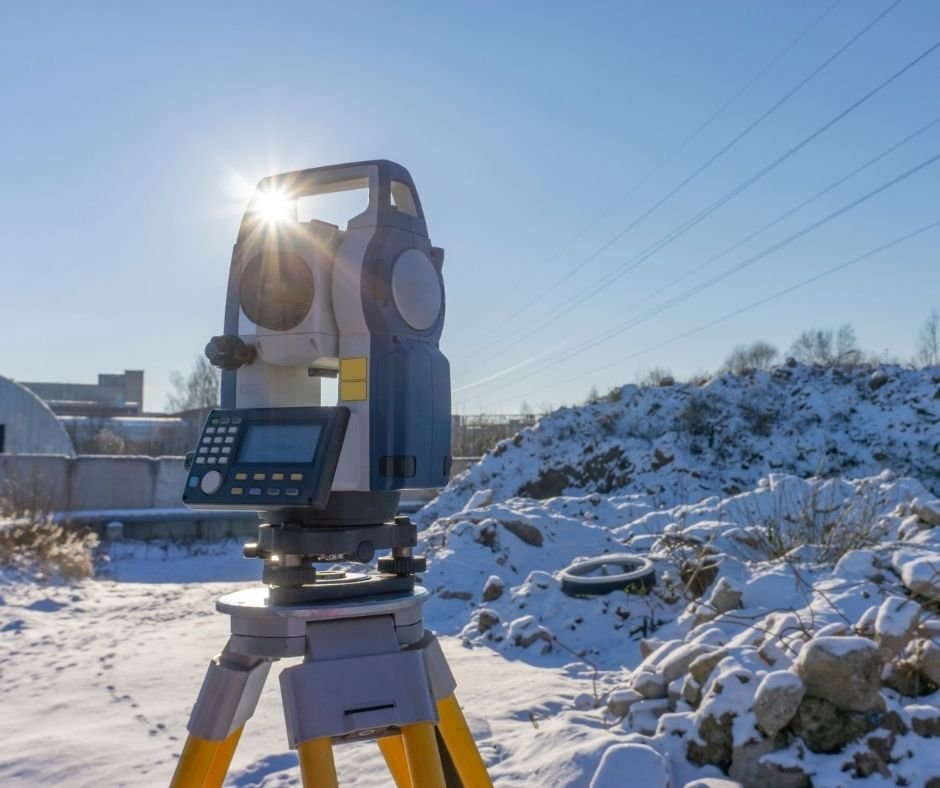
Laser scanning, also called LiDAR scanning or 3D reality capture, is a method of capturing millions of precise measurement points from a structure or site.
Those points form something called a point cloud. Think of it like a digital copy of a building or site that you can measure, rotate, and study on a computer.
Here’s the simple version:
Instead of measuring things by hand, we scan everything in minutes. You get a full 3D dataset that shows exactly what exists on-site.
People usually use laser scanning for:
- Renovation planning
- As-built documentation
- Construction verification
- Structural analysis
- BIM modeling
- Historic building documentation
It saves time, but more importantly, it reduces costly mistakes.
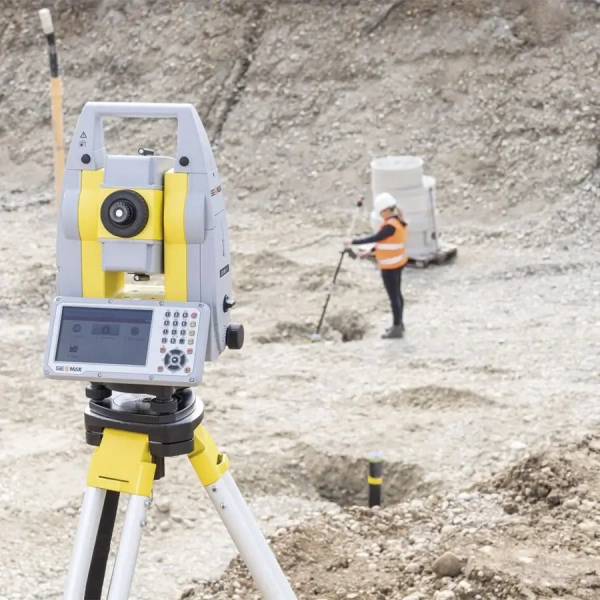
Who Uses Laser Scanning Services
Laser scanning isn’t just for big engineering firms.
In Chapel Hill and nearby areas like Carrboro and Durham, we regularly work with:
- Architects planning renovations or additions
- Civil engineers working on infrastructure updates
- General contractors managing construction projects
- University facility teams at UNC Chapel Hill
- Commercial property developers
- Structural engineers assessing existing conditions
Even homeowners use it when they need exact measurements for complex remodels.
If accuracy matters, laser scanning makes sense.
Why Laser Scanning Matters in Chapel Hill, NC
Chapel Hill isn’t a typical construction market.
You’ve got a mix of:
- Historic buildings near downtown
- University infrastructure around UNC
- Expanding residential developments
- Research and medical facilities
- Tight renovation spaces in older neighborhoods
That mix creates a problem: existing drawings are often outdated or incomplete.
We see it a lot.
A contractor shows up expecting one layout, but the structure on-site is different. Walls have shifted. Renovations weren’t documented. Utilities don’t match plans.
Laser scanning fixes that gap by capturing what’s actually there.
It’s especially useful in Chapel Hill because:
- Many buildings were built before digital modeling existed
- Renovations often don’t update original drawings
- Tight campus and downtown spaces limit manual measurement access
- Engineering teams need high accuracy for approvals
If you’re working in this area, guessing is expensive. Accurate data is safer.
What You Get From Our Laser Scanning Services
This is where a lot of providers fall short. They talk about scanning but don’t clearly explain what you actually receive.
Here’s what we deliver at Meta Geomatics PLLC:
High-Density Point Cloud Data
A complete digital capture of your site with millions of measured points.
3D As-Built Documentation
Clear representation of existing structures, including walls, floors, ceilings, and structural elements.
Scan-to-BIM Ready Files
We prepare data that can be used directly in BIM workflows like Revit.
CAD Drawings (DWG)
Clean 2D drawings extracted from the scan for design and engineering use.
Registered & Georeferenced Data
Everything is aligned to real-world coordinates for accuracy.
Optional Modeling Support
If needed, we can support full BIM modeling from scan data.
How Our Laser Scanning Process Works
People often think laser scanning is complicated. It’s not for you, but the process behind it does matter.
Here’s how we handle it:
Step 1: Site Review
We understand the project goals, site access, and level of detail needed.
Step 2: Field Scanning
We use LiDAR-based scanners to capture the site from multiple positions.
No contact. No disruption. Just data capture.
Step 3: Point Cloud Processing
Raw scan data is cleaned, registered, and aligned.
This step is where accuracy is confirmed.
Step 4: Data Structuring
We organize the data so architects and engineers can actually use it without confusion.
Step 5: Deliverables
You receive usable files in formats like DWG, E57, or Revit-ready outputs.
Technology We Use
Laser scanning quality depends heavily on equipment and processing tools.
We use industry-standard tools such as:
- LiDAR laser scanners for high-density capture
- GNSS/GPS systems for accurate positioning
- Total stations for control verification
- Point cloud processing software like Leica Cyclone and FARO Scene
- BIM platforms like Autodesk Revit and Civil 3D
- CAD drafting tools for clean deliverables
This matters because poor equipment leads to poor data. And bad data leads to project errors.
Local Knowledge in Chapel Hill Makes a Difference
Here’s something people often miss.
Laser scanning isn’t just about equipment. It’s about understanding the site.
Chapel Hill has unique conditions:
- Older academic buildings near UNC
- Mixed-use downtown structures
- Sloped terrain in residential areas
- Tight interior renovation spaces
- Active construction zones near research facilities
We’ve worked across these environments, including:
- Downtown Chapel Hill redevelopment areas
- Southern Village residential projects
- Meadowmont commercial zones
- UNC campus facilities and nearby infrastructure
- Orange County building sites
That local experience helps reduce re-scans and delays.
Why Choose Meta Geomatics PLLC
There are a few scanning providers around, but here’s what usually separates the good from the average.
Most competitors focus only on scanning. They stop there.
We don’t.
Here’s what we do differently:
We Focus on Usable Data
Not just point clouds, but structured deliverables you can actually use in design software.
We Keep Accuracy Front and Center
Small errors in scanning turn into big problems later. We pay attention to control, alignment, and verification.
We Support the Full Workflow
From scanning to CAD to BIM-ready outputs.
We Understand Local Projects
Chapel Hill buildings are not all the same. Historic + modern mix requires different approaches.
We Keep Communication Simple
You won’t get buried in technical talk. We explain what matters and what doesn’t.
Common Gaps in Other Laser Scanning Services
If you’ve compared providers, you’ve probably noticed some missing pieces:
- No clear explanation of deliverables
- No mention of Scan-to-BIM support
- Limited local project experience
- Vague accuracy claims without real detail
- No explanation of file formats or usability
- Slow turnaround times with no clarity
These gaps often show up later as project delays.
We built our workflow to avoid that.
When Should You Use Laser Scanning?
Not every project needs it, but here’s when it makes sense:
- You don’t trust existing drawings
- You’re renovating an old structure
- You need BIM modeling from real conditions
- You’re working in a tight or complex space
- You want to reduce field measurement time
- You need documentation for engineering approval
If even one of these applies, scanning usually saves time and cost.
Laser Scanning Deliverables Explained (Simple Version)
Let’s break down what you actually get:
- Point Cloud: A 3D map of everything scanned
- CAD Drawings: Clean line drawings for design work
- BIM Model Support: 3D intelligent model for planning
- Site Documentation: Verified existing condition records
- Measurement Data: Exact distances and geometry
You don’t need to understand all the technical terms. What matters is this: you can build, design, or verify without guessing.
Serving Chapel Hill and Surrounding Areas
We provide laser scanning services across:
- Chapel Hill, NC
- Carrboro, NC
- Durham, NC
- Orange County, NC
- Greater Research Triangle region
Whether it’s a single building or a full site, we handle projects of different sizes.
Final Thoughts
Laser scanning is not just about collecting data. It’s about removing uncertainty from your project.
If you’re working in Chapel Hill and dealing with outdated drawings, complex structures, or tight renovation spaces, accurate reality capture can save you from costly mistakes later.
At Meta Geomatics PLLC, we focus on giving you clear, usable information you can trust.
If you’re ready to move forward or just want to talk through your project, we’re here to help.
FAQs – Laser Scanning in Chapel Hill, NC
How accurate is laser scanning?
Laser scanning is typically accurate within millimeters depending on site conditions and equipment setup. It’s far more precise than manual measurement methods.
How long does a laser scanning project take?
Most building scans in Chapel Hill can be completed in a few hours to a day. Larger or complex sites may take longer.
Will laser scanning disrupt my building or operations?
No. Scanning is non-contact. We don’t touch surfaces or interfere with normal activity. Most people barely notice the process.
What file formats will I receive?
Common deliverables include point cloud files (E57), CAD drawings (DWG), and BIM-compatible formats like RCP or Revit models.
Do I need laser scanning for a small renovation?
If accuracy matters or existing drawings are outdated, yes. Even small renovations can benefit from accurate as-built data.
Can laser scanning replace traditional surveying?
Not completely. It complements surveying. Boundary surveys still require traditional methods, but scanning is better for structures and existing conditions.
How fast will I get the final data?
Turnaround depends on project size, but most standard projects are delivered within a few days after scanning and processing.
Services Areas
Serving North Carolina, NC Wake County & the Greater Triangle
Raleigh Metro
- Angier
- Apex
- Carrboro
- Cary
- Chapel Hill
- Clayton
- Durham
- Fuquay-Varina
- Garner
- Hillsborough
- Holly Springs
- Knightdale
- Morrisville
- Pittsboro
- Raleigh
- Rolesville
- Wake Forest
- Wendell
- Zebulon
Charlotte Metro
- Belmont
- Charlotte
- Concord
- Cornelius
- Davidson
- Gastonia
- Harrisburg
- Huntersville
- Indian Trail
- Kannapolis
- Matthews
- Mint Hill
- Monroe
- Mount Holly
- Pineville
- Wesley Chapel
Can't find your area?
Give us a call at (919) 402-6742. We regularly take on projects throughout the Piedmont and Coastal regions of North Carolina for commercial clients with specific needs.

Reviews
Trusted by Homeowners, Contractors & Developers Across Wake County
Ready to Get Started?
Every successful property transaction and construction project starts with accurate information. Whether you need a simple boundary survey or comprehensive 3D reality capture, the Meta Geomatics team is ready to help.
Contact us today for a free, no-obligation quote:
Phone
Office Hours
Monday - Friday, 8:00 AM - 5:00 PM
Most quotes provided within 24 hours. Emergency and expedited services available.